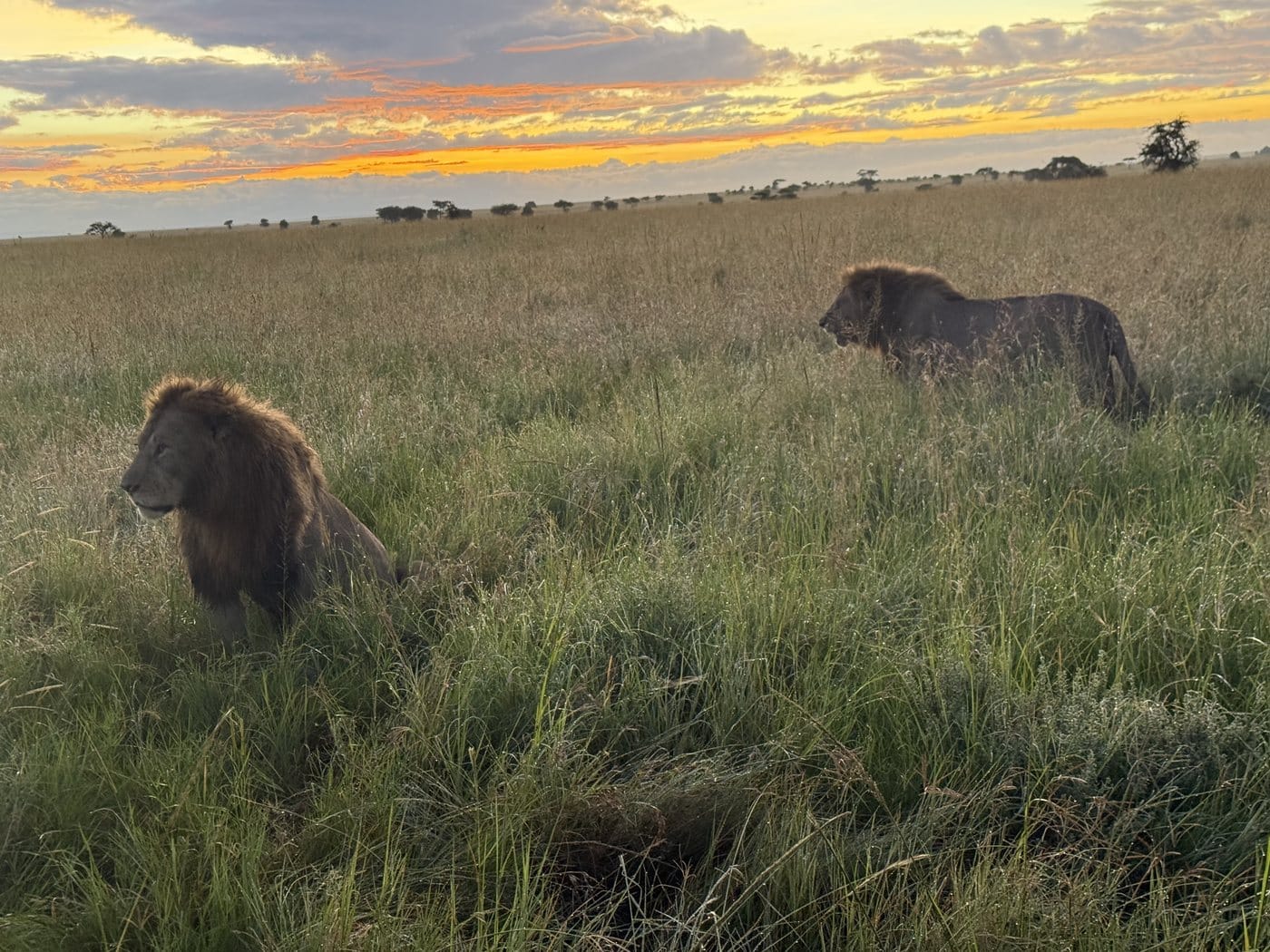
Like most of my adventures, this was a quick trip, but this one had a twist: my first solo safari. My wife and I had been in South Africa for a bar mitzvah. She headed home, and I was supposed to meet my brother Srully in Zanzibar on Sunday. But he got stuck in Israel, leaving me with a choice: cancel or go alone. Cancel? Not a chance!
I traveled Sunday through Friday, with a day of travel at either end and four days on safari: two in Seronera, one in Ndutu, and one in Ngorongoro Crater. I flew into Seronera with Auric Air, after a nervous stretch of weather reports about flooding near the airstrip.
An excellent private guide and jeep made the trip seamless. I’d always stayed at a single lodge on my Maasai Mara safaris, so this was my first time moving between lodges with the same guide and vehicle. It worked beautifully.
Seronera: The Classic African Safari
Picture the African savanna: open plains, scattered acacia trees, and wildlife everywhere. That was Seronera in the central Serengeti.
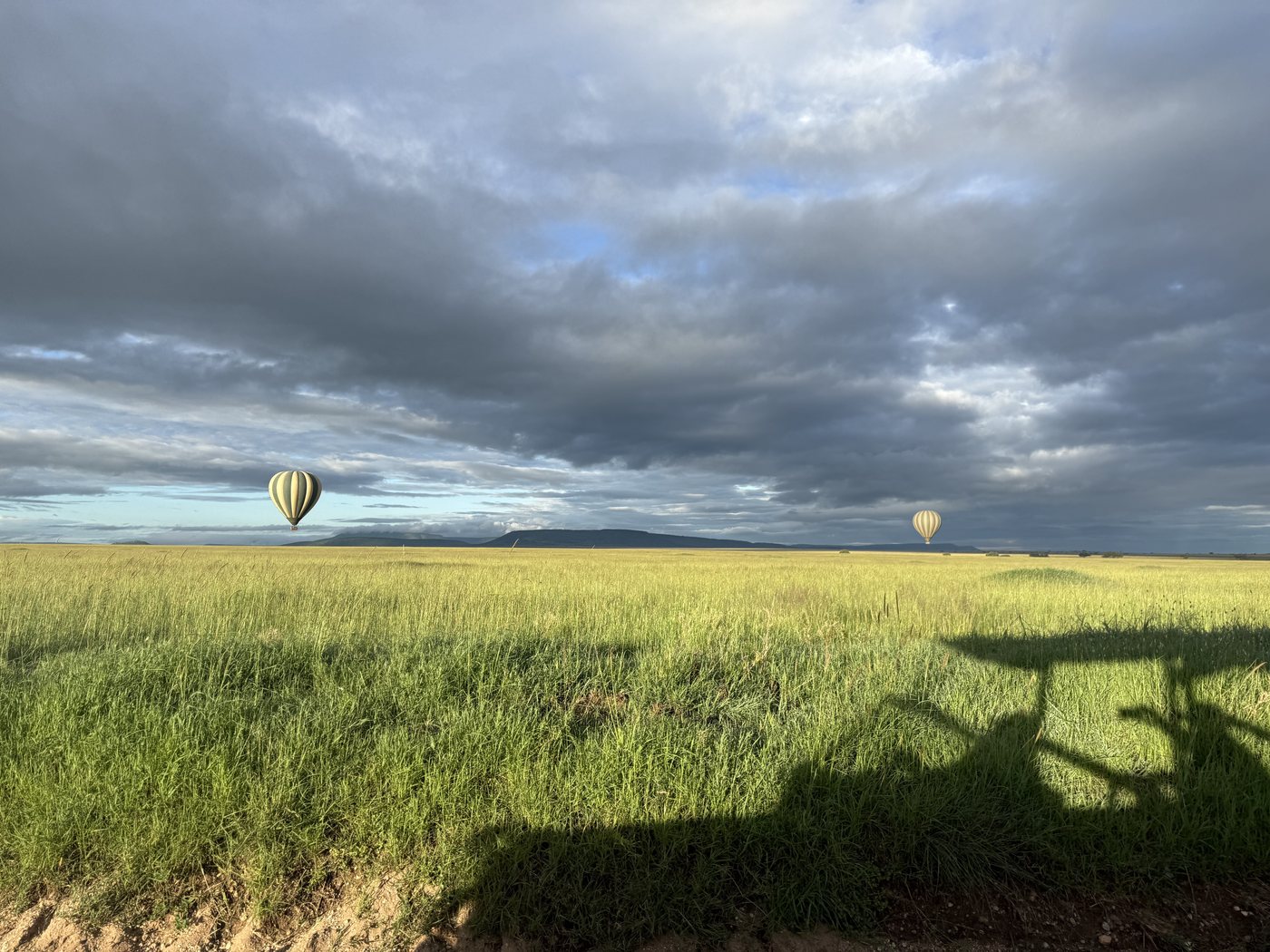
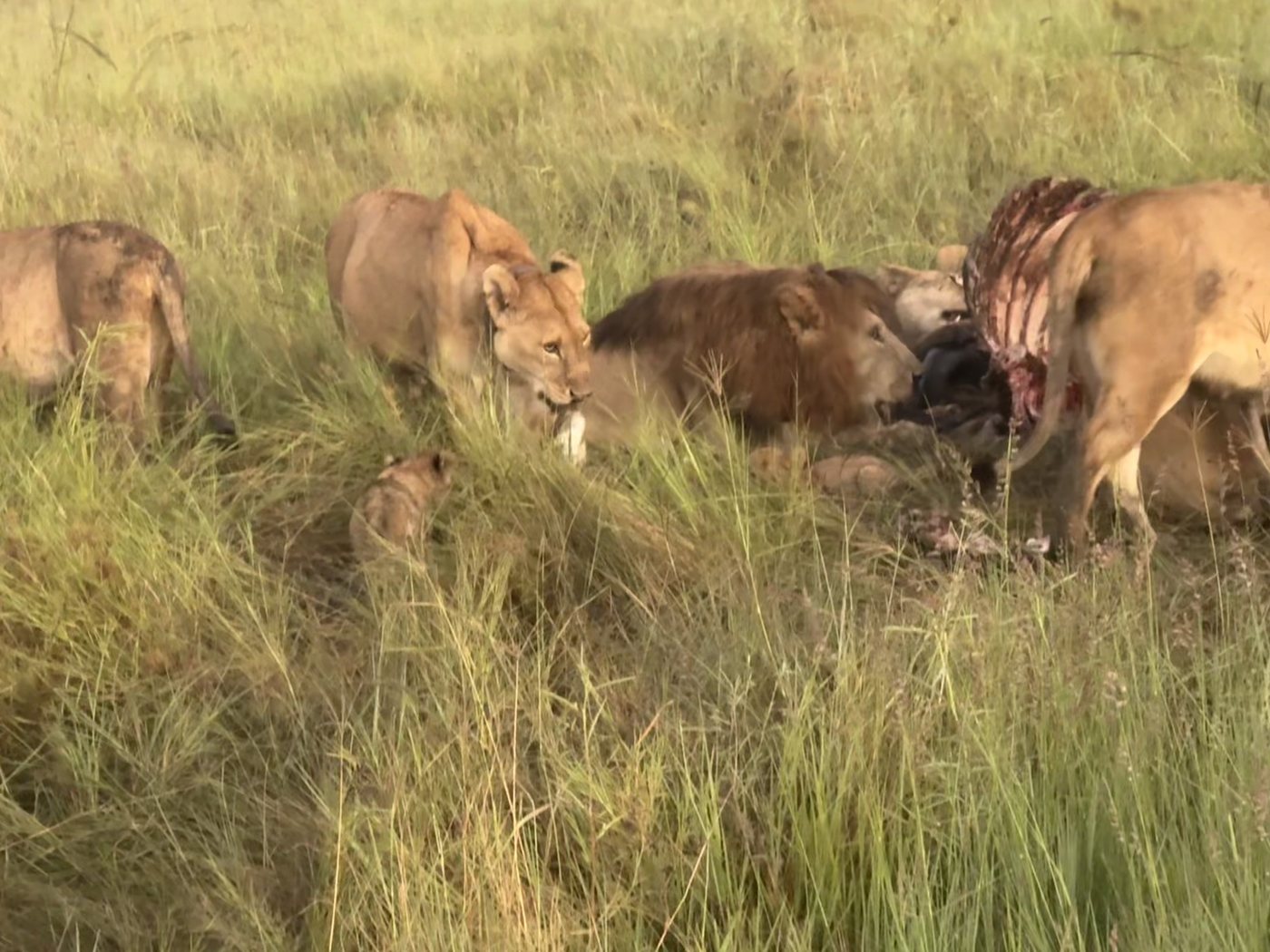
The grass wasn’t quite as short as Ndutu’s, but the views were superb, and the wildlife was extraordinary. I saw leopards, cheetahs, lions, hyenas, and seemingly everything in between. One unforgettable sight was a pride of more than 20 lions, including three adult males and four cubs, feeding on a buffalo kill at sunrise.
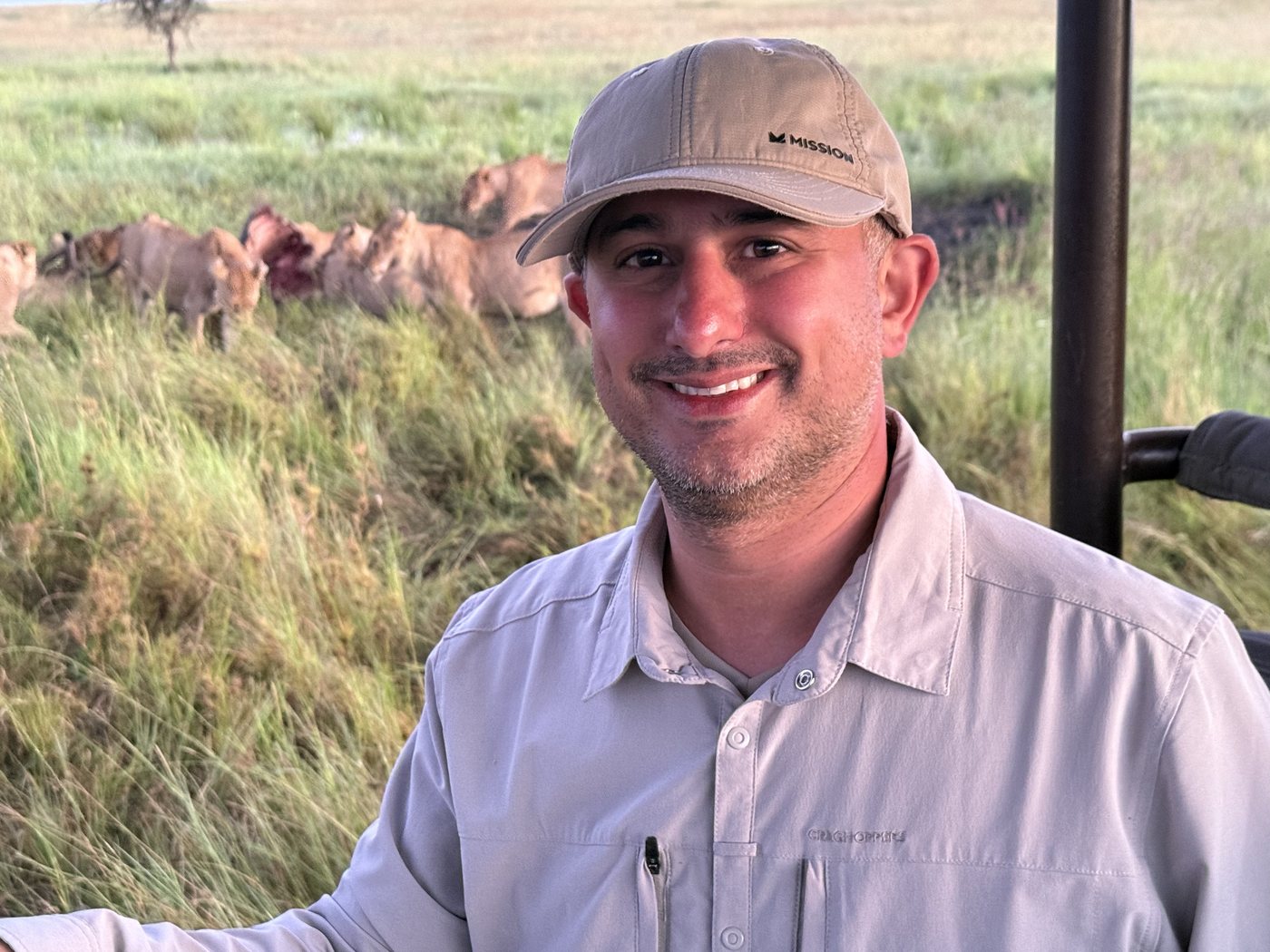
Just as impressive was the relative lack of crowds. Compared with my Maasai Mara experiences, Seronera felt noticeably less touristy, with fewer jeeps around even excellent sightings.
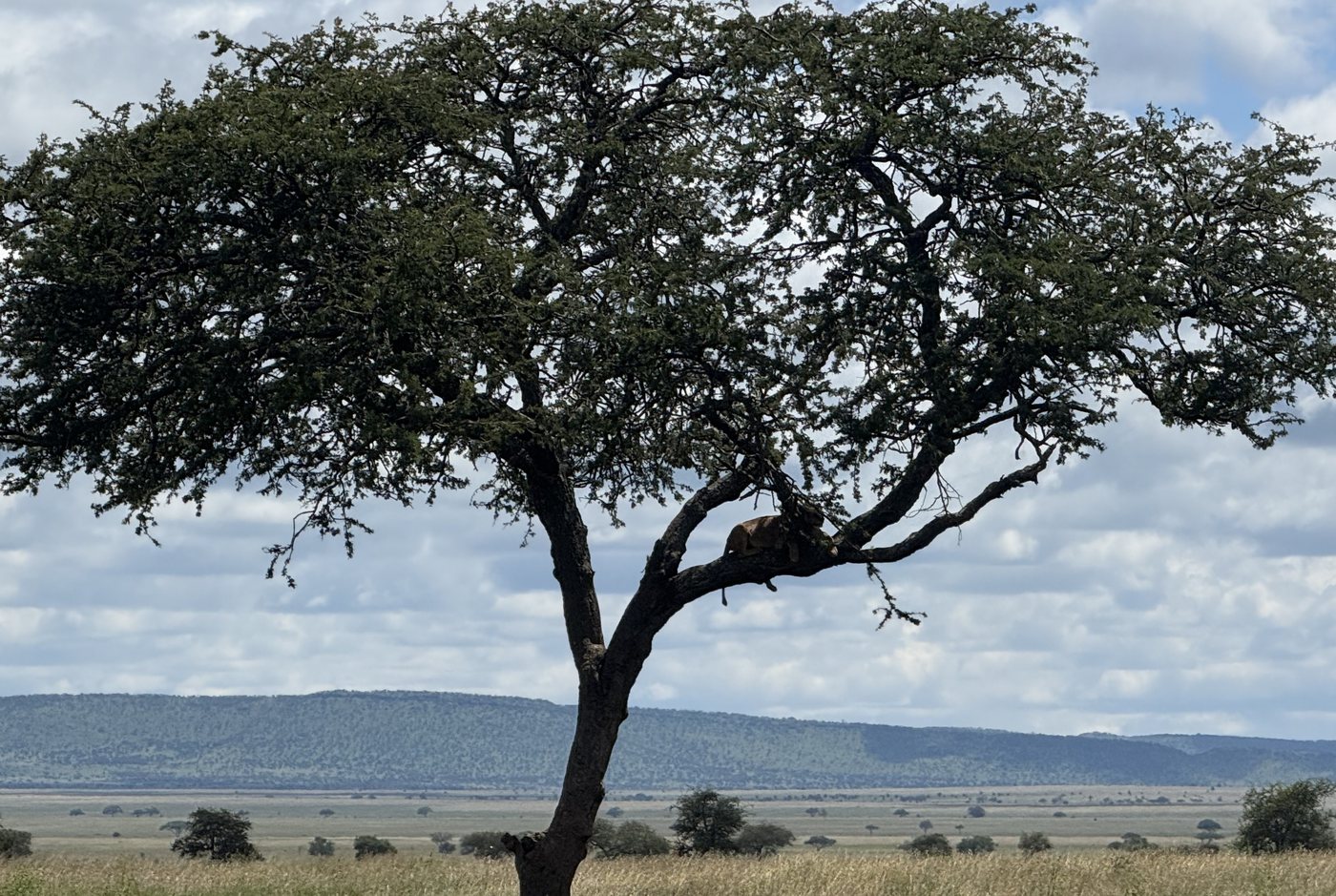
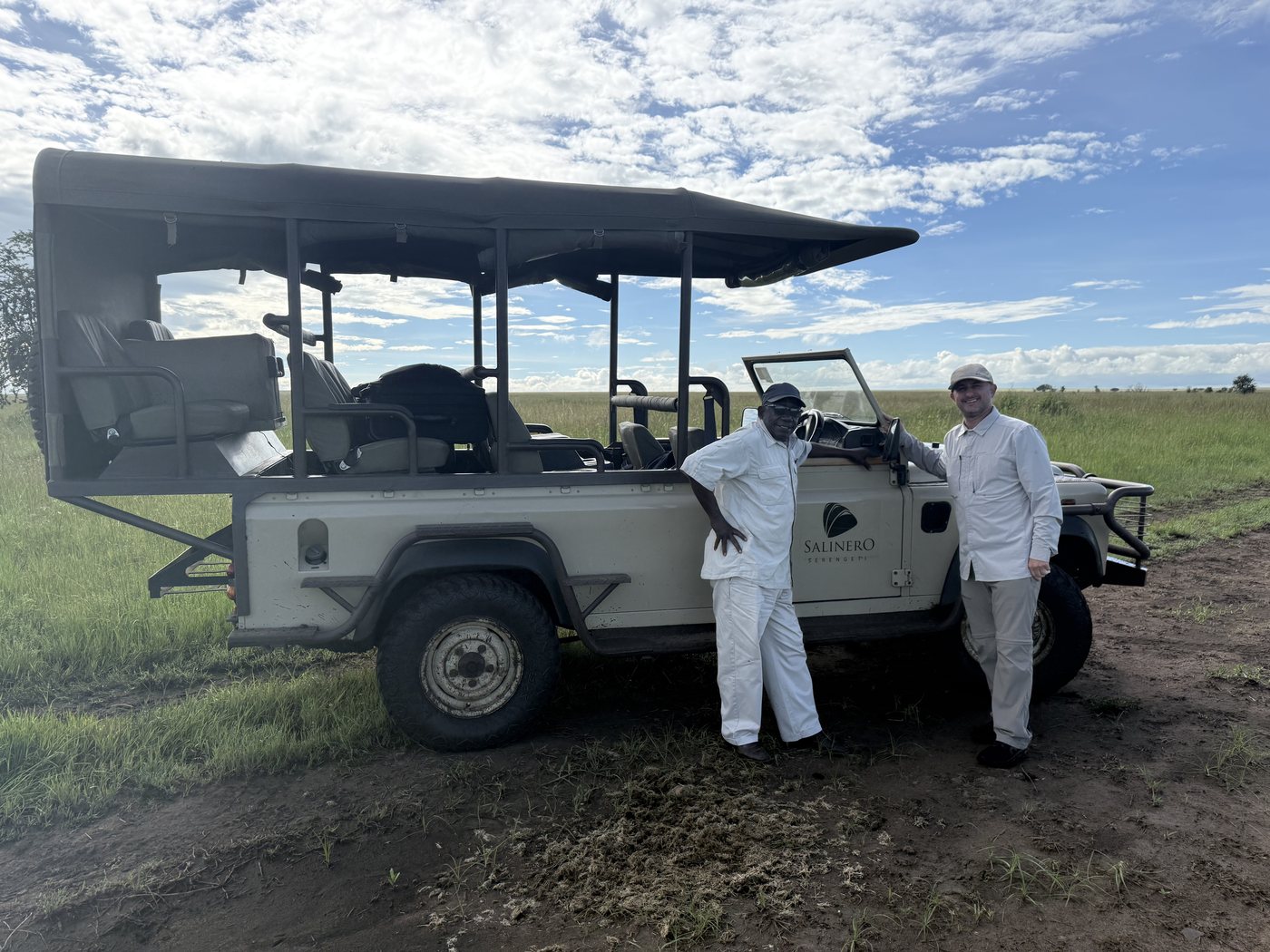
I stayed at Salinero Serengeti, where I secured a terrific special rate through my safari YouTube channel.
For a classic safari, Seronera belongs right alongside the Maasai Mara.
Ndutu: The Great Migration on Endless Plains
Ndutu delivered a different kind of spectacle: vast short-grass plains and huge herds from the Great Migration stretching toward the horizon. Seeing thousands of animals spread across that immense landscape was genuinely epic.
The other highlight was the ability to drive off-road in permitted areas, something I couldn’t do in Seronera. Getting closer to the action made a huge difference. It’s one advantage I’d previously enjoyed in parts of the Maasai Mara, and it was fantastic to have it here.
Ngorongoro Crater: Another World
The drive from Ndutu into the highlands was an experience of its own. I spent the night at Ngorongoro Serena Safari Lodge, right on the crater rim. At about $366 for the night, with full board included, it was exceptional value for that location, especially with the descent road so close.
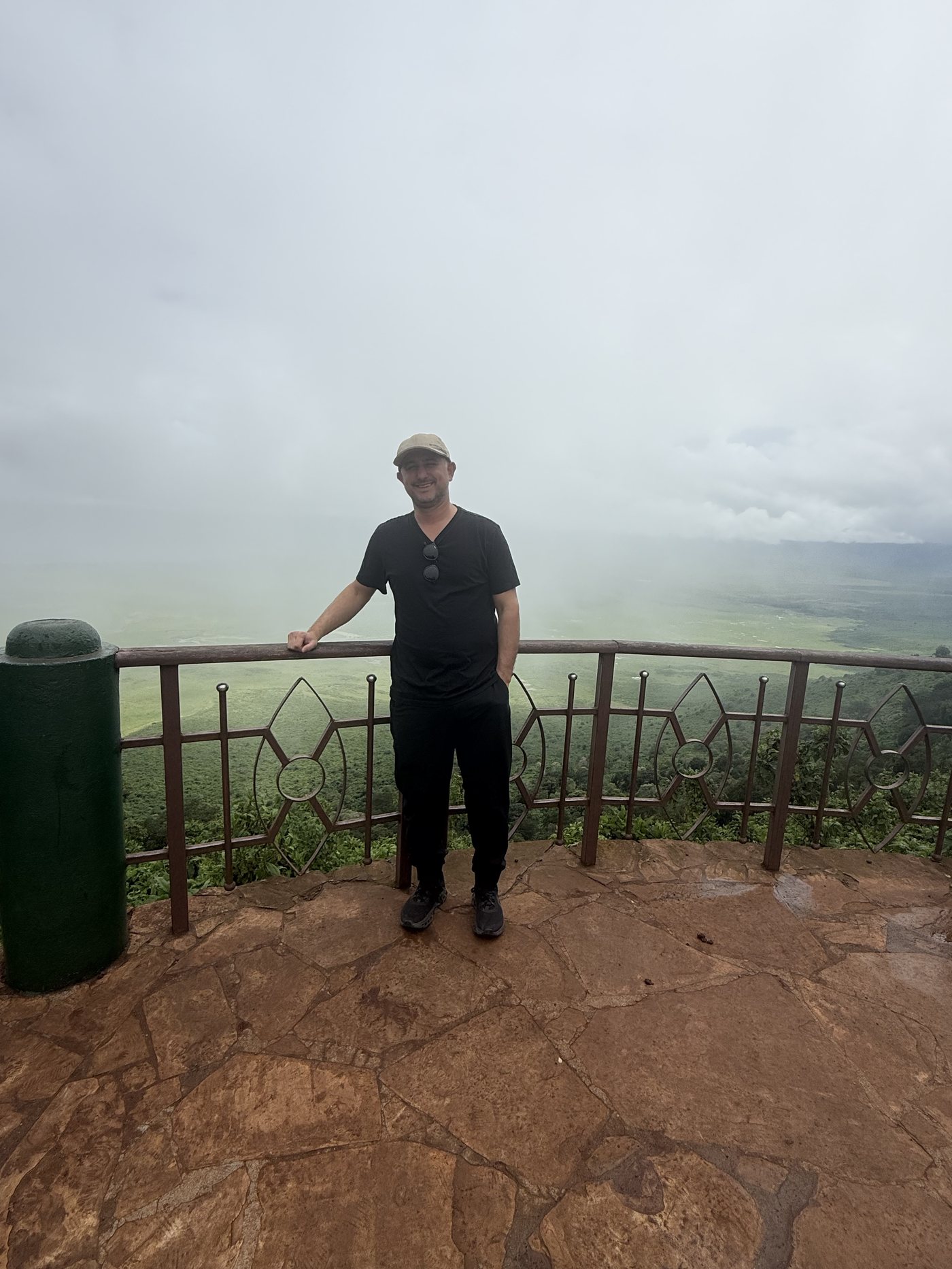
The next morning, I drove down into the crater. It felt almost prehistoric: towering walls surrounding a vast floor filled with lions, elephants, buffalo, and other wildlife. The animals were incredible, but the dramatic setting was what made Ngorongoro unlike anywhere else I’d been.
Serengeti vs. Maasai Mara?
Both rank among my favorite classic safari destinations. The Mara offers superb wildlife and more off-road flexibility in certain areas; Seronera gave me equally remarkable sightings with noticeably fewer tourists on this visit.
And combining Seronera with Ndutu’s migration herds and the extraordinary Ngorongoro Crater made Tanzania something else altogether.
My verdict: Four safari days, three remarkably different landscapes, and one of my favorite African adventures yet.
For practical advice on the migration, see my Great Migration guide.
Filed underSerengeti, Tanzania